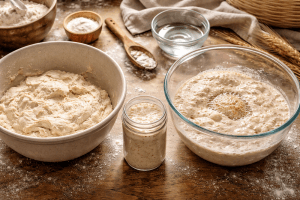
Sooner or later, every baker wonders what is actually happening inside the dough. Flour, water, and time somehow turn into a living mixture that rises, develops flavor, and transforms into bread. Behind this seemingly simple process lies a fascinating combination of biology and chemistry.
This section explores the science behind sourdough fermentation: the wild yeast and bacteria that live in the starter, how they interact with flour and water, and how fermentation shapes flavor, texture, and structure in the dough. You will also encounter topics such as gluten development, acidity, enzyme activity, and the effects of temperature and hydration on the fermentation process.
The goal is not to turn baking into a laboratory experiment. Instead, a basic understanding of the science helps explain why certain techniques work and why small adjustments in time, temperature, or ingredients can change the outcome of a loaf. A little knowledge of what happens inside the dough can make baking both easier and more predictable.

Cold Proofing Sourdough: Why Overnight Fermentation Transforms Flavor, Structure, and Control
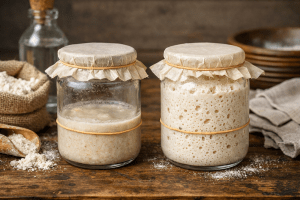
Sourdough Starter Troubleshooting: The Real Reasons It Won’t Rise

Medieval Bread vs. Modern Bread: What Changed—and Does It Matter for Your Health?
Potash and the Peculiar History of Making Bread Rise Before Anyone Knew Why

Why Homemade Sourdough Bread Only Lasts 3–4 Days (And Why That’s Normal)
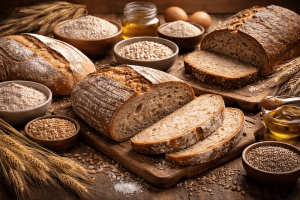
Is Sourdough Bread Actually Healthy? The Truth About Nutrition, Starch, and Flour Choice
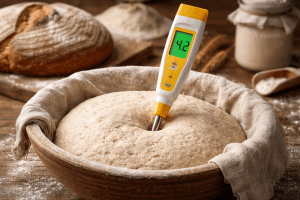
Why Some Bakers Stick a pH Meter Into Their Dough (and What They’re Actually Looking For)
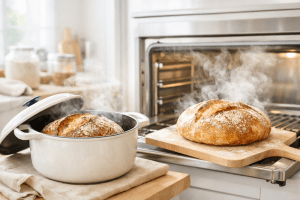
Steam, Spring, and Crust: The Invisible Force Behind Great Sourdough
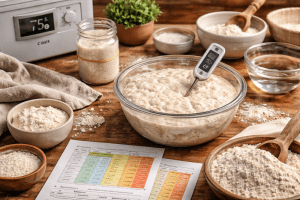
Bulk Fermentation in Sourdough: Mastering Temperature, Time, and Perfect Dough Development
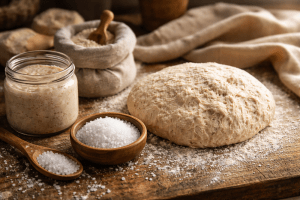
The Role of Salt in Sourdough Baking: Structure, Flavor, and Fermentation Control
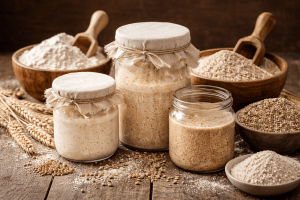
Understanding Sourdough Starters: Bread Flour vs. Whole Wheat vs. Rye

Sourdough vs. Supermarket Whole Wheat: What Actually Makes Bread Healthier?