
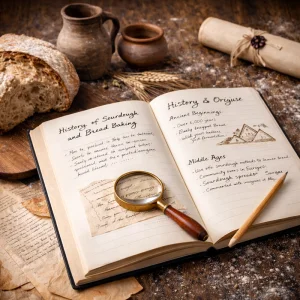
 Sourdough is far older than trendy bakeries and social media feeds. Here we explore the long history of naturally fermented bread—from its earliest origins thousands of years ago to the many regional traditions that shaped it over time. Long before commercial yeast existed, bakers relied on wild yeast and bacteria living in flour and the surrounding air to raise their bread.
Different cultures developed their own techniques, grains, and baking methods, creating a remarkable variety of breads that sustained communities for centuries.
This section looks at how sourdough evolved through history, how it was used in everyday life, and what we can still learn from those older, practical approaches to baking.

Medieval Bread vs. Modern Bread: What Changed—and Does It Matter for Your Health?
I’ll admit it—I still fall down the YouTube rabbit hole of sourdough advice. Not proudly, not regularly… but often enough ...

The Chorleywood Bread Process Explained: How Industrial Baking Changed Bread Forever
If you have ever wondered why supermarket sandwich bread can be soft for a week, squish into a perfect little ...
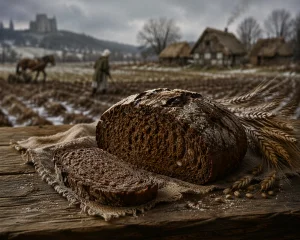
Why Rye Was the Grain of Survival in Medieval Northern Europe
Throughout much of medieval Northern Europe, rye was far more than just another grain. It was the crop that stood ...

Potash and the Peculiar History of Making Bread Rise Before Anyone Knew Why
Modern sourdough bakers obsess over hydration percentages, fermentation curves, starter maturity, and flour protein levels. Yet long before anyone understood ...

From Rye to Wheat: How Geography, History, and Industry Shaped the World of Sourdough Bread
Growing up in Germany, I ate rye sourdough bread almost daily without giving it much thought. It was simply “bread.” ...

The History of Sourdough Baking: From Ancient Survival to Artisan Obsession
Sourdough isn’t trendy. It just looks that way right now. In reality, it’s one of the oldest food technologies humanity ...