

Growing up in Germany, I ate rye sourdough bread almost daily without giving it much thought. It was simply “bread.” Dense, dark, flavorful, and often slightly tangy. Only later did I realize that many of those loaves were not pure rye at all, but mixtures of rye and wheat—because in Germany, when people talk about traditional sourdough bread, they usually mean rye-based bread.
Travel south to countries like France or Italy, however, and “sourdough” means something entirely different. There, it usually refers to wheat-based country loaves, baguettes, or rustic peasant breads.
So why did some cultures build their bread traditions around rye while others centered everything on wheat?
The answer lies in geography, climate, economics, and eventually industrialization.
Why Northern Europe Became the Land of Rye
Rye was never Europe’s glamorous grain. Wheat held that title. Wheat produced lighter, softer, more desirable bread and was generally associated with wealth and status.
But rye had one major advantage:
It grew where wheat struggled.
Rye tolerates:
- Colder climates
- Poorer soils
- Shorter growing seasons
- Harsher winters
That made it ideal for much of:
- Germany
- Scandinavia
- Poland
- Russia
- The Baltic states
- Parts of the British Isles historically
In many northern regions, wheat was either difficult or expensive to grow reliably, so rye became the practical staple.
And because rye lacks the gluten strength of wheat, bakers quickly learned that sourdough fermentation was not optional—it was essential.
Without acidification from sourdough fermentation, rye dough becomes gummy, sticky, and structurally unstable during baking. Rye bread and sourdough evolved together not out of culinary romance, but out of necessity.
Southern Europe: The Kingdom of Wheat
Meanwhile, southern Europe enjoyed the climate wheat loves:
- Warmer temperatures
- Longer growing seasons
- Drier harvest periods
- Better soils for wheat cultivation
This is why countries like:
- France
- Italy
- Spain
- Greece
developed wheat-based bread cultures.
There, sourdough also existed for centuries—but primarily as a leavening method for wheat dough, not as a necessity for rye handling.
The result was a very different bread tradition:
- Airier loaves
- More open crumbs
- Lighter crusts
- Less dense, less acidic flavor profiles
Was Rye Dominant in Great Britain and Early America?
Partially—but not quite in the way many assume.
Historically, rye was important in parts of the British Isles and northwestern Europe, especially among poorer populations and in less fertile regions. However, England in particular increasingly favored wheat whenever it could obtain it. White wheat bread became a strong status symbol remarkably early. By the 18th century, England had largely embraced wheat as the preferred bread grain.
In colonial America, wheat was also highly important—especially in the Mid-Atlantic colonies where it became a major crop. Rye certainly played a role, particularly in mixed-grain and frontier breads, but America was never primarily a rye-bread nation in the same way Germany, Poland, or Scandinavia were.
So the more accurate statement is this:
Rye was historically important in many northern and poorer regions of Europe and in some early American bread traditions, but neither Great Britain nor the United States were predominantly rye-bread cultures in the German sense.
Why Rye Bread Lasted Longer—and Why That Mattered
My instinct here was correct: rye bread was prized partly because it kept better.
Dense rye sourdough loaves:
- Retain moisture longer
- Resist mold somewhat better due to acidity
- Stale more slowly than many wheat loaves
- Often taste better after resting a day
In pre-industrial societies, this mattered enormously.
Many rural households baked only:
- Once per week
- Or even once every two weeks in harsher regions
Bread had to survive.
A large, dense rye sourdough loaf could remain edible far longer than a soft wheat loaf. This practical advantage made rye indispensable in many regions long before modern preservation methods.
Why Modern Society Switched to Wheat
If rye was so practical, why did most of the modern world move toward wheat?
Because once agriculture and technology improved, wheat became affordable for nearly everyone—and people generally preferred it.
Historically, white wheat bread symbolized wealth.
For centuries:
- The rich ate white wheat bread
- The poor ate darker rye, barley, or mixed-grain loaves
As farming improved and transportation networks expanded, wheat became easier to produce and distribute widely. Once ordinary people could afford wheat bread regularly, many abandoned rye by choice.
Quite simply:
People preferred the softer texture, lighter crumb, and milder flavor of wheat.
The Industrialization of Bread: Especially in America
Then came the real transformation.
The 19th and 20th centuries changed bread forever.
Industrialization brought:
- Roller milling, which produced ultra-refined white flour cheaply
- Mechanized dough mixing
- Commercial baker’s yeast
- Large-scale urban bakeries
- Wrapped and sliced bread
Commercial yeast became widespread in the 19th century and drastically reduced fermentation times. Bakers no longer needed to maintain sourdough cultures for everyday bread production.
By the early 20th century, industrial bakeries had largely replaced home baking in the United States. Around 1890, most bread in America was still baked at home; by 1930, factory bread dominated.
Then came sliced bread in 1928—arguably the final blow to traditional bread culture.
Convenient? Absolutely.
Artisanal? Not exactly.
Bread had become:
- Softer
- Whiter
- Faster
- More uniform
- Less flavorful
The priority was no longer preservation or fermentation quality.
It was speed, consistency, and shelf appeal.
Why Rye Survived in Germany But Declined Elsewhere
Germany retained its rye tradition largely because bread remained culturally important there in a way it did not in many industrialized nations.
German baking culture preserved:
- Regional bread identities
- Artisan bakery traditions
- Consumer appreciation for darker breads
- A culinary expectation that bread should actually taste like something
Meanwhile, countries like the U.S. and U.K. industrialized heavily into soft pan breads and sandwich loaves.
Only in recent decades has traditional sourdough begun making a comeback.
Final Thoughts
The divide between rye and wheat sourdough is not merely culinary—it is historical.
It reflects:
- Climate
- Soil
- Wealth
- Agriculture
- Technology
- Cultural taste
Northern Europe baked rye because it had to.
Southern Europe baked wheat because it could.
And modern industrial societies largely abandoned rye because, once wheat became abundant and cheap, people chose softness and convenience over practicality.
Today, many bakers are rediscovering what earlier generations knew well:
A properly fermented rye sourdough loaf may not win beauty contests on Instagram—but it offers unmatched flavor, keeping quality, and historical authenticity.
And for those of us who grew up on it, it still tastes like real bread.
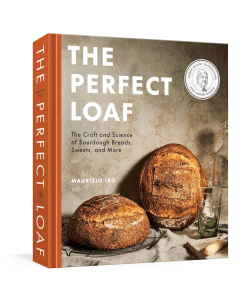 The Perfect Loaf: The Craft and Science of Sourdough Breads, Sweets, and More: A Baking Book
Maurizio Leo’s blog The Perfect Loaf has become one of the most trusted destinations on the internet for anyone learning sourdough baking. With his debut cookbook, he brings that same careful attention to detail, clear instruction, and generous teaching style into a comprehensive guide that walks readers through the essential foundations of sourdough—while also giving them the tools and confidence to go further.
The book begins with the fundamentals: understanding sourdough starters, learning how fermentation shapes flavor and texture, and mastering the techniques that turn simple ingredients into consistently excellent bread. From there, Leo guides readers step by step through a wide range of recipes designed to build both skill and intuition.
The recipes cover many of the breads home bakers love most, including:
Essential freeform loaves: Simple Sourdough, Rosemary & Olive Oil Sourdough, Extra-Sour Sourdough, Cranberry & Walnut, Demi Baguettes
Pan loaves: Everyday Sandwich Bread, Naturally Leavened Brioche, German Whole Rye, Honey Whole Wheat Sandwich Bread
Pizza and flatbread: Roman-Style Pan Pizza, Focaccia, Naan, Flour Tortillas, Pita
Buns and rolls: Soft Dinner Rolls, Potato Buns, Ciabatta Rolls, English Muffins, Bagels
Sweet bakes: Weekend Cinnamon Rolls, Italian Doughnuts, Summer Fruit Sourdough Crostata, Banana Bread, Cinnamon Babka
True to Leo’s teaching philosophy, beginners are supported throughout the entire process. Troubleshooting sections and helpful sidebars address common questions such as how to store a sourdough starter long-term, how to work with baker’s percentages, and how to recognize—and fix—common bread problems.
At the same time, experienced bakers will appreciate the deeper explorations into fermentation science, dough development, and the subtle adjustments that allow bakers to refine their technique. Topics such as hydration, ingredient ratios, freshly milled grains, and specialty flours encourage readers to experiment and gradually develop their own “baker’s intuition.”
Whether you are baking your first loaf or refining your craft, The Perfect Loaf serves as both a practical handbook and an inspiring companion in the kitchen. More information…
