
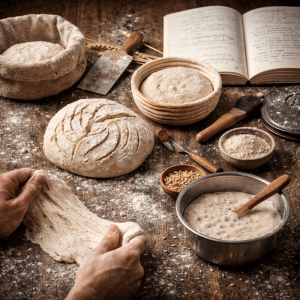
 Sourdough success is mostly determined long before the dough ever reaches the oven. Mixing, folding, fermenting, shaping, and recognizing when the dough is ready all play a far greater role than the final minutes of baking. Good technique turns simple ingredients into good bread.
This section focuses on the practical skills that make sourdough baking work. You will find explanations of key techniques such as developing gluten through folding, managing bulk fermentation, shaping loaves, and judging proper proofing. These steps build structure, develop flavor, and determine whether a loaf rises beautifully or turns into a dense brick.
Just as important is learning to read the dough. Temperature, hydration, and fermentation all influence the process, and successful baking often comes from observation rather than rigid timing. With a little practice, these techniques become second nature and sourdough baking becomes far simpler than it first appears.

The Window Pane Test in Sourdough Baking: When Gluten Development Actually Matters

Cold Proofing Sourdough: Why Overnight Fermentation Transforms Flavor, Structure, and Control

Levain vs. “Old Dough”: The YouTube Myth That Falls Apart in Your Kitchen
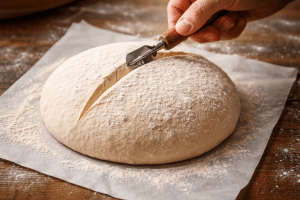
Scoring Sourdough: Separating Function from Fashion
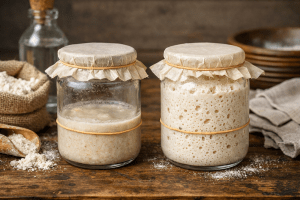
Sourdough Starter Troubleshooting: The Real Reasons It Won’t Rise
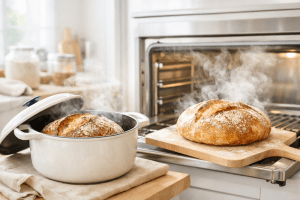
Steam, Spring, and Crust: The Invisible Force Behind Great Sourdough
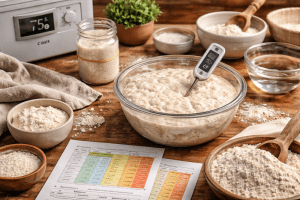
Bulk Fermentation in Sourdough: Mastering Temperature, Time, and Perfect Dough Development
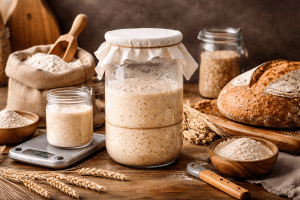
Sourdough Starter Guide: Create, Name, and Maintain Your Starter the Simple Way

Why I Don’t Use a Mixer for Sourdough Bread
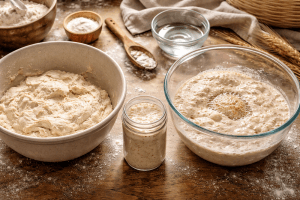
Autolyse vs Fermentolyse: What’s the Difference in Sourdough Baking?
