
Sourdough baking has experienced an enormous resurgence over the past few years. From professional artisan bakeries to home kitchens, people everywhere are rediscovering the magic of flour, water, salt, and time.
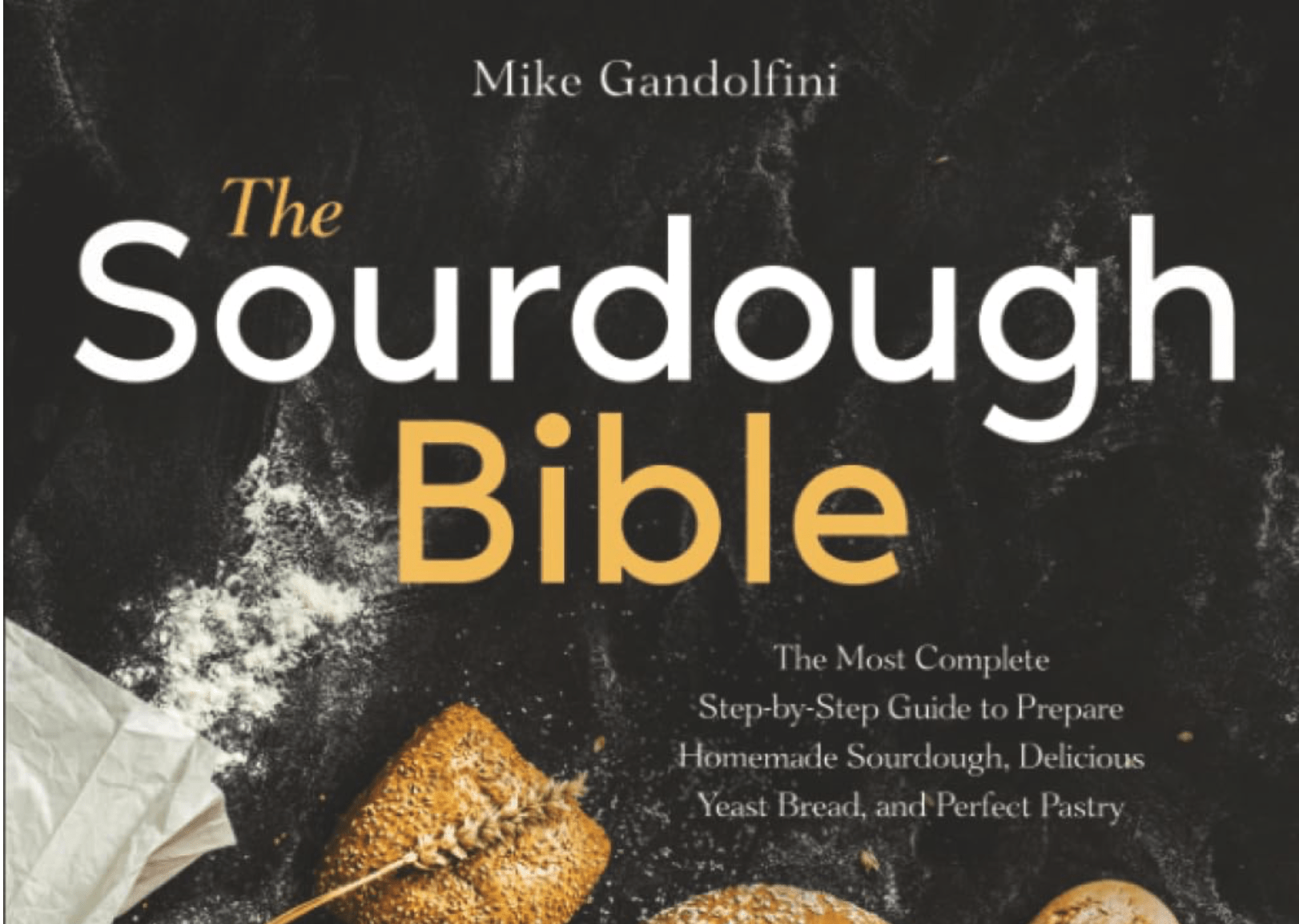
 One of the books that attempts to guide beginners through this process is The Sourdough Bible: 3-in-1 – The Most Complete Step-by-Step Guide to Prepare Homemade Sourdough, Delicious Yeast Bread, and Perfect Pastry by Mike Gandolfini.
The book presents itself as a comprehensive introduction to sourdough baking and related bread techniques. At roughly 120 pages, it aims to condense a large amount of information into a single practical guide for beginners who want to bake their own bread at home.
But what exactly does it cover—and how useful is it for someone starting their sourdough journey?
The Structure of the Book
The book is organized as a “3-in-1” guide, meaning it combines several related topics rather than focusing solely on sourdough. The main areas typically include:
• Creating and maintaining a sourdough starter
• Basic sourdough bread recipes
• Yeast-based bread recipes
• Pastry or baked goods that use similar techniques
This approach attempts to give readers a broad overview of baking rather than isolating sourdough as a specialized craft.
For beginners, this structure can be appealing. Someone who is just starting out might want to experiment with multiple styles of baking before focusing exclusively on sourdough fermentation.
Learning the Basics of Sourdough
Like most introductory sourdough books, the guide begins with the core concept of the sourdough starter.
A sourdough starter is essentially a living culture of wild yeast and beneficial bacteria. When flour and water are mixed and allowed to ferment naturally, microorganisms from the environment begin feeding on the sugars in the flour. Over time, the culture becomes stable and capable of leavening bread.
The book walks readers through the usual process:
-
Mixing flour and water
-
Allowing natural fermentation to begin
-
Feeding the starter regularly
-
Learning how to recognize a healthy, active culture
For someone unfamiliar with fermentation, these steps are important. A working starter is the foundation of all sourdough baking.
From Starter to Bread
Once the starter is active, the next step is learning how to incorporate it into dough.
The book introduces typical beginner recipes such as:
• Basic sourdough loaves
• Rustic artisan bread
• Variations with seeds or whole grains
These recipes generally follow the classic sourdough workflow:
-
Mixing the dough
-
Bulk fermentation
-
Shaping
-
Proofing
-
Baking
This step-by-step structure helps new bakers understand how fermentation affects dough development.
Beyond Sourdough
One unusual aspect of the book is that it does not focus exclusively on sourdough. It also includes sections on yeast bread and pastries.
For some readers this is helpful. It allows them to understand the difference between commercial yeast baking and natural fermentation.
However, more experienced sourdough bakers may prefer books that dive deeper into fermentation science, flour selection, hydration control, and advanced techniques.
Is It a True “Bible” of Sourdough?
Despite the ambitious title, the book is best viewed as a beginner-friendly overview rather than a definitive reference.
True mastery of sourdough baking involves a deeper understanding of:
• fermentation timing
• flour protein levels
• hydration control
• temperature management
• gluten development
These topics are often explored in much greater detail in specialized artisan baking books.
Still, for someone taking their first steps into sourdough, a concise introduction like this can be useful.
The Real Secret of Sourdough
No matter how many books someone reads, sourdough baking ultimately comes down to experience.
Every kitchen environment is different. Temperature, humidity, flour type, and even local microbial populations influence the fermentation process.
That means sourdough baking is not just a recipe—it is a relationship with time and living organisms.
A book can provide guidance, but the real learning happens through practice.
Final Thoughts
Books like The Sourdough Bible serve as entry points into the world of sourdough baking. They give beginners a structured introduction and enough confidence to start baking their first loaves.
But sourdough itself is far older than any cookbook. It is a tradition that has evolved over thousands of years, shaped by bakers who learned through observation, experimentation, and patience.
In the end, the best sourdough teacher is not a book.
It’s the dough in your hands. More information…
