

There is a certain romance surrounding the sourdough starter. Bakers talk about them the way gardeners talk about heirloom plants or sailors talk about old boats. Some starters have names. Some have histories. A few even claim to be decades old, quietly bubbling away in jars like small domestic pets made of flour and water.
And to be fair, sourdough starters are remarkable. Inside that unassuming jar lives a community of wild yeast and bacteria working together to ferment dough, create flavor, and give bread its lift. When treated well, a starter produces loaves with depth, character, and that distinctive sour note that many people associate with “real” artisan bread.
But here is a question that is rarely asked openly in the enthusiastic world of sourdough baking:
Do you actually need a starter?
For professional bakers or dedicated hobbyists who bake several times a week, the answer might be yes. Maintaining a starter becomes part of the routine. Feeding it, refreshing it, and incorporating it into dough feels natural when baking is a frequent activity.
However, many home bakers fall into a different category. They bake once a week. Sometimes once every two weeks. Occasionally they go a month without touching a bag of flour. For these bakers, maintaining a sourdough starter can quickly turn into a chore rather than a pleasure.
Starters need attention. They need feeding. They create discard. They sit in the refrigerator quietly judging you when you forget about them. And eventually you find yourself asking an uncomfortable question while staring at that jar in the fridge:
Why am I doing this?
Fortunately, there is good news. You can make excellent, flavorful, healthy bread without maintaining a sourdough starter at all. Bakers have been using alternative fermentation methods for centuries, many of which deliver complex flavor with far less effort. These methods are known as pre-ferments, and they allow you to prepare part of the dough in advance without committing to a permanent jar of living culture.
In other words, you can enjoy most of the benefits of long fermentation without adopting a high-maintenance kitchen pet.
Let’s look at a few of the most useful alternatives.
Poolish
Poolish is one of the simplest and most elegant pre-ferments. It originated in French baking and is essentially a very wet mixture of flour, water, and a tiny amount of yeast.
To make a poolish, mix:
150 g flour
150 g water
a tiny pinch of yeast (about 0.1 g)
Stir until smooth, cover the bowl, and leave it at room temperature for 12 to 16 hours. By the next day it should be bubbly, fragrant, and slightly domed on the surface.
This mixture is then incorporated into the final dough along with the remaining ingredients.
The result is bread with excellent aroma, a light open crumb, and a mild sweetness that many bakers love. Poolish is especially popular for baguettes and rustic European-style breads.
Best of all, once the bread is baked, the poolish is gone. No feeding schedule. No refrigerator guilt.
Biga
Biga performs a similar role but takes a slightly different approach. It comes from Italian baking traditions and is much stiffer than poolish.
To make a biga, mix:
150 g flour
75 g water
a small pinch of yeast (about 0.1 g)
The dough will feel firm and slightly rough. Cover it and allow it to ferment for about 12 to 16 hours.
The next day, break the biga into small pieces and mix it into your final dough.
Because biga is less hydrated, it encourages strong gluten development and often produces bread with a pleasantly chewy crumb. The flavor tends to be nutty and mild rather than sour.
If poolish is elegant and airy, biga is solid and dependable.
Sponge
The sponge method is a broader category rather than a single strict formula. It simply means preparing a portion of the flour and water with yeast ahead of time and letting it ferment before mixing the final dough.
A typical sponge might look like this:
150 g flour
150 g water
1 g yeast
Unlike poolish or biga, the sponge ferments for a shorter time—usually 2 to 4 hours. When it becomes foamy and active, the remaining ingredients are added and the dough is mixed as usual.
The sponge method provides improved flavor and dough strength compared with straight yeast dough while requiring far less planning than overnight pre-ferments.
It is the practical middle ground of bread baking.
Levain
Levain is technically related to sourdough because it uses an existing starter, but it behaves differently in practice.
Instead of maintaining a large starter continuously, some bakers keep only a small amount of culture and build a levain specifically for a single bake.
For example:
150 g flour
150 g water
30 g active starter
This mixture ferments for 8 to 12 hours until bubbly and ripe. It is then added to the dough along with the remaining flour and salt. No commercial yeast is needed.
Levain gives you classic sourdough fermentation without requiring a large constantly maintained starter. Many bakers find this approach easier and more flexible.
One Recipe, Four Paths
To make the comparison fair, imagine a basic artisan loaf:
500 g bread flour
350 g water
10 g salt
Depending on the method, part of the flour and water is used to create a poolish, biga, sponge, or levain. The remainder is added later when the final dough is mixed.
The overall bread recipe remains the same. Only the fermentation method changes.
The flavor differences are subtle but noticeable:
Poolish produces a light, aromatic loaf with delicate sweetness.
Biga creates stronger structure and a chewy crumb.
Sponge offers mild flavor and simplicity.
Levain delivers the tangy complexity associated with sourdough.
None of these methods is inherently superior. They simply offer different paths to good bread.
So… Do You Really Need a Starter?
For some bakers, absolutely.
If you enjoy the ritual of maintaining a living culture and baking frequently enough to keep it active, a sourdough starter can be deeply rewarding. It connects you to centuries of baking tradition and produces bread with distinctive character.
But if you bake occasionally, there is no reason to feel obligated to maintain one.
Poolish, biga, sponge, and levain all provide excellent fermentation, improved flavor, and wonderful bread. They require less maintenance, less planning, and far less emotional attachment to jars in the refrigerator.
And perhaps most importantly, they allow you to focus on the real joy of baking:
Mixing flour and water, watching dough come alive, and pulling a fragrant loaf from the oven.
Without having to remember whether you fed the starter this morning.
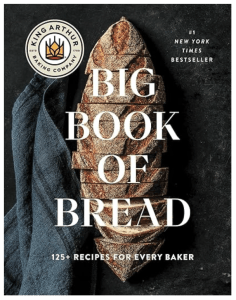 The King Arthur Baking Company Big Book of Bread
Authoritative yet approachable, The King Arthur Baking Company Big Book of Bread stands out for both its scope and clarity. The book presents 125 recipes covering yeasted breads and naturally leavened loaves, designed to guide complete beginners while still offering depth and inspiration for experienced bakers—including those deeply invested in sourdough.
Beyond recipes, the book functions as a practical guide to the craft of bread baking. It explains essential techniques such as folding, shaping, and managing fermentation, while also addressing the fundamentals of flour, yeast, hydration, and temperature. Helpful guidance is included for working with difficult doughs and for storing different types of bread so they stay fresh as long as possible. Each recipe is accompanied by a full-color photograph, and the instructional sections include step-by-step photography. QR codes throughout the book link to short instructional videos, adding a modern learning component to the traditional cookbook format. An elegant ribbon marker rounds out the presentation.
At the heart of the book is an unusually broad and inclusive collection of breads from around the world. The recipes range from everyday staples to celebratory baking projects, including:
Flatbreads: Focaccia, Naan, Pita, Scallion Pancake, Lavash, Seedy Crackers
Pan Loaves: Everyday Bread, English Muffin Toasting Bread, Tiger Milk Bread
Sourdough: Baguette, Sandwich Bread, Cinnamon Swirl
Hearth Breads: Classic Miche, Chocolate Levain, Sesame Whole Wheat Loaf
Buns, Bagels, and Rolls: Conchas, Bolo Bao, Jerusalem Bagels, Buttermilk Buns
“Fancy” Breads: Basic Babka, Big Sticky Bun, Stollen
Things to Make with Bread: Cheddar Kimchi Strata, Sourdough Lasagna, Migas
The result is a comprehensive baking reference that manages to demystify bread making without oversimplifying it. Beginners will find clear instruction and encouragement, while experienced bakers will discover new techniques, recipes, and ideas to expand their repertoire. More information…
