

Bread often carries a reputation that swings between two extremes. Some consider it a staple of a healthy diet, while others view it as little more than refined carbohydrates. The truth, as usual, lies somewhere in between. The type of bread — and how it is made — matters enormously.
One of the most interesting comparisons is between self-made sourdough bread and the whole-wheat bread commonly found in supermarkets. At first glance, supermarket whole wheat might appear healthier. It contains whole grain, after all. But when fermentation, ingredients, and processing are taken into account, the picture becomes far more nuanced.
The difference begins with fermentation.
Traditional sourdough bread is built around a natural fermentation process. Flour and water combine with a sourdough starter — a living culture of wild yeast and lactic acid bacteria. These microorganisms slowly ferment the dough, breaking down carbohydrates and producing organic acids.
A typical home-baked sourdough loaf might follow a schedule like this:
• 7–8 hours fermentation at room temperature
• followed by about 12 hours of cold fermentation in the refrigerator
This extended fermentation time allows the microorganisms to work gradually through the dough. During this time several things happen:
The microbes consume simple sugars present in the flour.
Organic acids develop, which slow digestion and influence how quickly carbohydrates are absorbed in the body.
Some complex carbohydrates are partially broken down, changing the structure of the dough.
These processes do not eliminate carbohydrates — bread is still bread — but they can moderate how quickly those carbohydrates are digested.
Supermarket bread is produced very differently.
Commercial bread production is designed for speed and consistency. Dough is often mixed, proofed, and baked within only a few hours. Rapid fermentation using commercial yeast does not allow the same degree of microbial activity that occurs in slow sourdough fermentation.
To compensate for this fast production process, many commercial breads include additional ingredients such as:
• sugar or corn syrup
• dough conditioners
• emulsifiers
• preservatives
Even products labeled “whole wheat” frequently contain added sweeteners or refined flour to improve texture and shelf life.
Another difference lies in flour composition.
A balanced sourdough formula might look like this:
• 80% bread flour
• 10% whole wheat flour
• 10% whole rye flour
The small portion of whole wheat and rye contributes fiber, minerals, and flavor while still producing a light and well-structured loaf. Rye in particular contains soluble fibers that influence digestion and help moderate the glycemic response.
In contrast, many commercial whole-wheat breads rely heavily on finely milled whole wheat combined with additives that soften the crumb and speed production.
The result is often a product that is technically whole grain but still digests relatively quickly.
Fermentation also changes how bread interacts with the body.
During sourdough fermentation, lactic and acetic acids accumulate in the dough. These acids influence digestion in several ways. They slow gastric emptying and can reduce the speed at which glucose enters the bloodstream after eating.
This does not turn bread into a low-carbohydrate food, but it can make naturally fermented bread metabolically gentler than quickly produced bread.
There is also the question of ingredient transparency.
Self-made sourdough bread typically contains only a handful of ingredients:
• flour
• water
• salt
• sourdough starter
That simplicity allows the baker to control flour quality, fermentation time, and hydration levels. Supermarket bread, by contrast, often contains a much longer ingredient list designed to extend shelf life and standardize production.
Equally important is what you eat with bread.
From a health standpoint, bread is best consumed as part of a balanced meal rather than alone. Pairing sourdough bread with protein, fat, or fiber helps slow digestion and stabilizes the body’s metabolic response.
Examples include:
Eggs
Cheese
Yogurt
Nut butters
Olive oil
Avocado
Smoked fish or other protein-rich foods
These combinations slow carbohydrate absorption and help maintain more stable energy levels.
Bread eaten by itself — especially in large portions — is more likely to produce rapid swings in blood sugar and hunger shortly afterward.
Portion size also matters.
Even the most carefully fermented sourdough bread remains a carbohydrate-rich food. The health impact often depends less on the exact recipe and more on how much bread is eaten and how it fits into the overall meal.
In the end, the distinction between self-made sourdough and supermarket whole-wheat bread comes down to process, ingredients, and time.
Slow fermentation, simple ingredients, and balanced flour composition give sourdough bread qualities that fast industrial bread rarely achieves. While both can have a place in a balanced diet, traditionally fermented sourdough represents a more natural and often metabolically friendlier approach to bread.
For many bakers, this is one of the quiet rewards of sourdough: not just better flavor and texture, but a deeper connection to how food is made — and how it nourishes us.
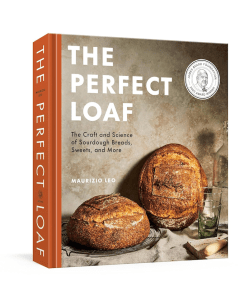 The Perfect Loaf: The Craft and Science of Sourdough Breads, Sweets, and More: A Baking Book
Maurizio Leo’s blog The Perfect Loaf has become one of the most trusted destinations on the internet for anyone learning sourdough baking. With his debut cookbook, he brings that same careful attention to detail, clear instruction, and generous teaching style into a comprehensive guide that walks readers through the essential foundations of sourdough—while also giving them the tools and confidence to go further.
The book begins with the fundamentals: understanding sourdough starters, learning how fermentation shapes flavor and texture, and mastering the techniques that turn simple ingredients into consistently excellent bread. From there, Leo guides readers step by step through a wide range of recipes designed to build both skill and intuition.
The recipes cover many of the breads home bakers love most, including:
Essential freeform loaves: Simple Sourdough, Rosemary & Olive Oil Sourdough, Extra-Sour Sourdough, Cranberry & Walnut, Demi Baguettes
Pan loaves: Everyday Sandwich Bread, Naturally Leavened Brioche, German Whole Rye, Honey Whole Wheat Sandwich Bread
Pizza and flatbread: Roman-Style Pan Pizza, Focaccia, Naan, Flour Tortillas, Pita
Buns and rolls: Soft Dinner Rolls, Potato Buns, Ciabatta Rolls, English Muffins, Bagels
Sweet bakes: Weekend Cinnamon Rolls, Italian Doughnuts, Summer Fruit Sourdough Crostata, Banana Bread, Cinnamon Babka
True to Leo’s teaching philosophy, beginners are supported throughout the entire process. Troubleshooting sections and helpful sidebars address common questions such as how to store a sourdough starter long-term, how to work with baker’s percentages, and how to recognize—and fix—common bread problems.
At the same time, experienced bakers will appreciate the deeper explorations into fermentation science, dough development, and the subtle adjustments that allow bakers to refine their technique. Topics such as hydration, ingredient ratios, freshly milled grains, and specialty flours encourage readers to experiment and gradually develop their own “baker’s intuition.”
Whether you are baking your first loaf or refining your craft, The Perfect Loaf serves as both a practical handbook and an inspiring companion in the kitchen. More information…
